The World Cup is finally here! And you can bet that brands are already fighting for attention online. But the campaigns really cutting through all have one thing in common; they’re built for social. The best ones are creating conversation, encouraging engagement, and becoming part of the wider culture around the tournament, rather than just feeling like ads.
The campaigns landing hardest are the ones giving audiences something to react to, repost, debate, or emotionally connect with. #Goals!
Adidas “Backyard Legends”
The five-minute cinematic film starring Timothée Chalamet, Lionel Messi, Jude Bellingham, and Bad Bunny (and that’s just the tip of the iceberg) wasn’t just designed as a traditional advert. It was built for clips, screenshots, fan edits, and online discussion. The inclusion of AI de-aged football legends like David Beckham and Zinedine Zidane sparked conversation without backlash, because it genuinely served the nostalgia-driven story fans wanted to engage with.
LEGO “Everyone Wants a Piece”
LEGO’s “Everyone Wants a Piece” showed just how powerful social-first casting can be. Bringing together Messi, Ronaldo, Mbappé, and Vinícius Jr. to build the World Cup trophy, the campaign pulled in over 314 million views across the players’ Instagram accounts, in just 24 hours. However, it wasn’t just the big names driving the buzz, it was the storyline behind it. The campaign tapped into that emotional passing-of-the-torch moment in football, packaged into short-form content people instantly wanted to share.
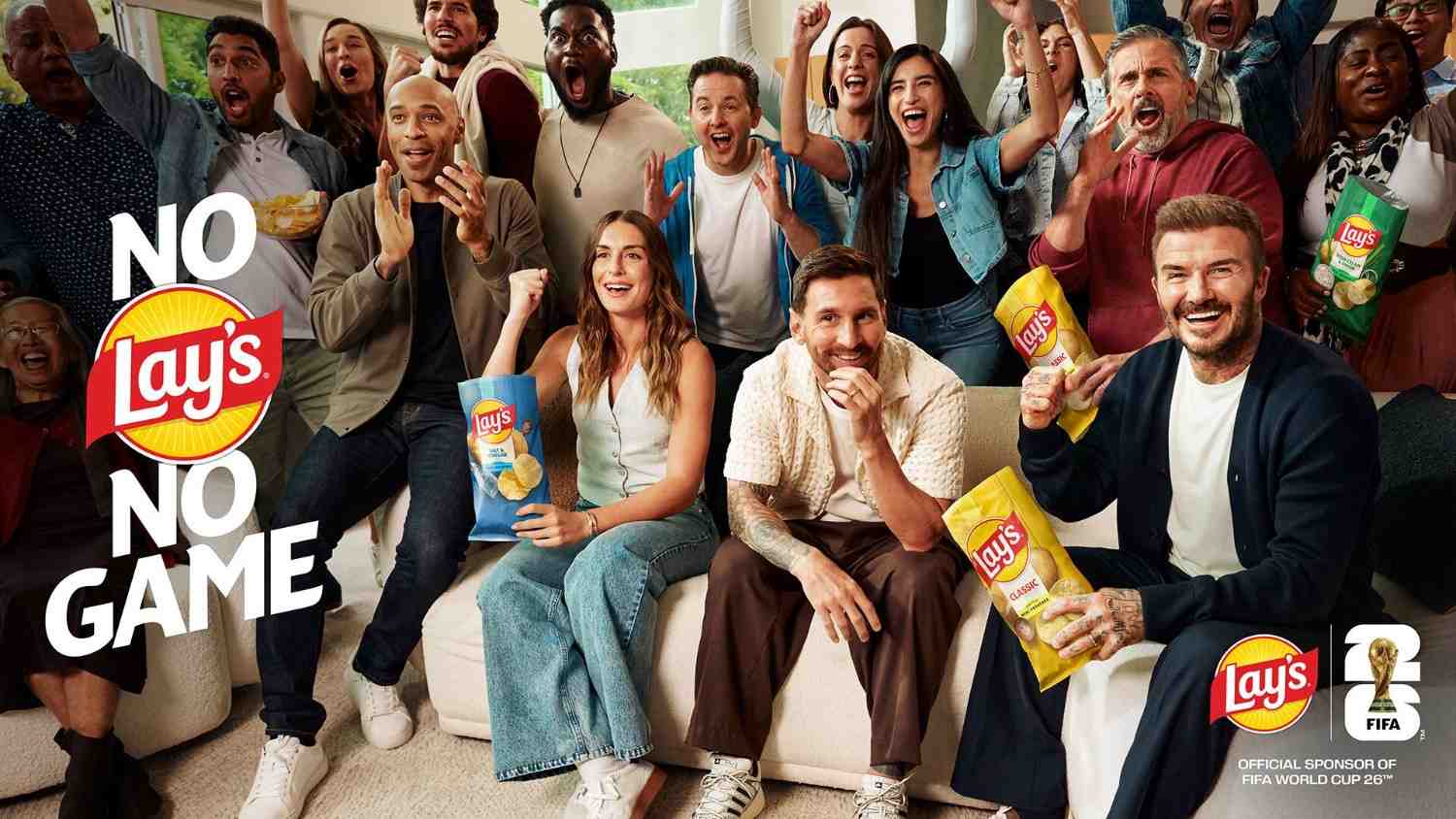
Lay’s “No Lay’s, No Game”
Lay’s has really nailed understanding social behaviour here. Its “No Lay’s, No Game” campaign goes way beyond a main hero film, using WhatsApp channels, behind-the-scenes clips, live reactions, and creator-style content throughout the tournament. Rather than just treating social as a distribution channel, Lay’s has basically made social the campaign.
At the same time, its U.S. “Bandwagon” spot leans right into online football culture by breaking down the usual barriers around fandom. With Will Ferrell, David Beckham, and Marshawn Lynch travelling across America to get casual viewers involved in the hype, it taps into a simple truth about social during global sporting moments: people just want permission to join in, even if they’re new to the sport.
Tennent’s “Dare to Dream”
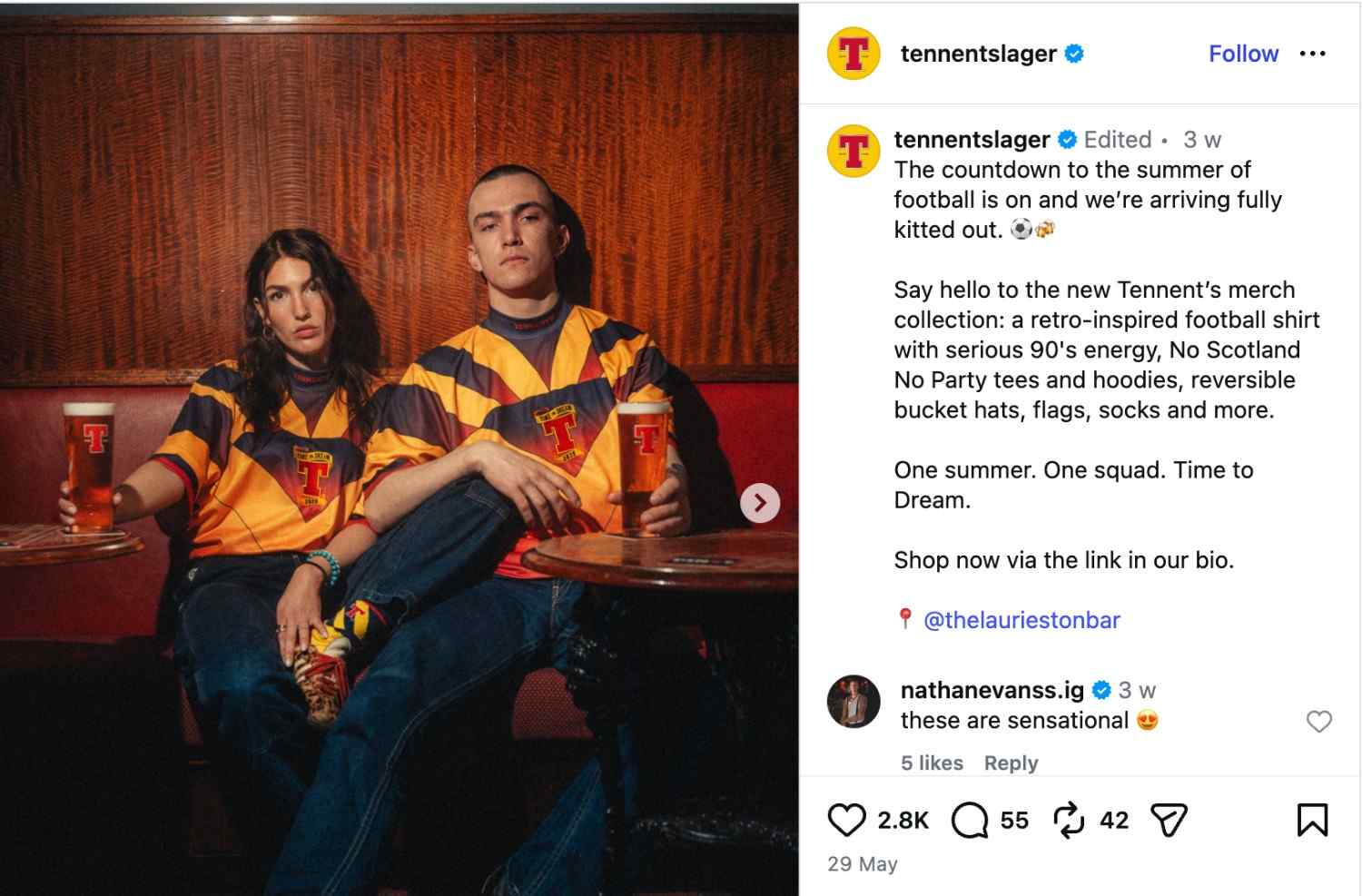
Scotland’s return to the World Cup after 28 years is a monumental moment, and fans have been buzzing about it. Tennent’s Lager leaned right into that energy with a big social activation in May to build anticipation, including actor Rory McCann in their “Dare to Dream” hero film, which really tapped into that emotional, proud heartbeat of Scottish football fans finally seeing their team back on the world stage.
On social, it landed well because it wasn’t just a one-off piece of content — it felt like a full conversation. The launch of their own World Cup jersey kept the momentum going, and the more playful, relatable content like John McGinn taking part in an “agree or disagree” style format helped it feel native to how people actually engage online.
What made it especially effective was how it combined big emotional storytelling with easy-to-share, low-barrier content formats. It gave fans something to feel proud about, but also lots of smaller moments they could react to, remix, and pass on; which is exactly what drives traction during tournament season.
What’s becoming pretty clear is that the best World Cup campaigns aren’t really built with broadcast thinking anymore, they’re built around how people actually behave on social first.
Now, social-first World Cup marketing is starting to look less like traditional advertising and more like part of the culture itself, something that fuels conversation, taps into fan emotion, and moves at the same speed as the internet. And that’s back of the net!