MAD//Fest North once again brought together some of the sharpest minds in marketing to discuss what’s shaping the industry right now.
From brand leaders like Warburtons and Currys, to challenger brands and indie agencies, one thing became clear: the rules of marketing are evolving quickly – and everyone’s got their predictions.
Here are our biggest takeaways from this year’s event:
Thinking Is Becoming a Lost Art
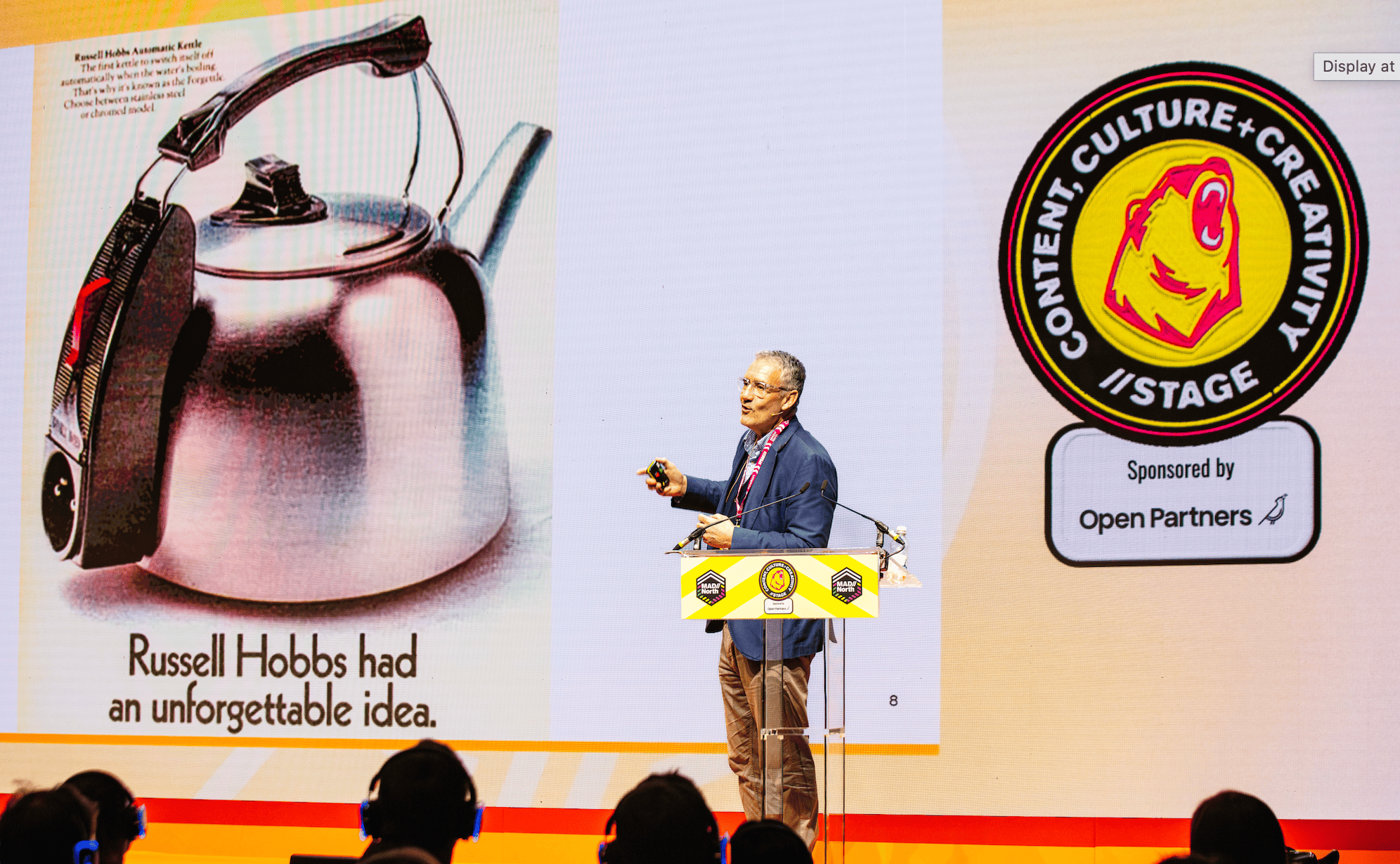
Of course we have to mention our very own Richard Midgley first, Founder of Ponderosa, who shared his perspective: thinking is becoming a declining art in marketing (and most industries, let’s be honest).
In a world of automation, algorithms, endless optimisation, doomscrolling, memes, and AI, marketers can easily jump straight to activation without asking the most important questions first. Or taking the time to enter that System 2 of though processing for the cogs to turn, and a never-before-thought-of idea springs to mind.
The reminder was simple: go back to the fundamentals.
The 4Ps still matter, and every campaign should start with understanding the job the product is hired to do. Take something as simple as a kettle. The job isn’t just to boil water; it’s about convenience, routine, comfort and habit. Russell Hobbs was used as a case in point from the early days of the first safety kettle that switched off before it reached boiling point (they ended up calling it the K2, but should have gone with their first option – The Fogettle!). So, consumers could rest assured they weren’t going to burn the house down when boiling water.
Fast forward to 2026, Russell Hobbs are still doing the same thing for their consumer but keeping up with modern day needs. You can read more about it here.
When brands truly understand the job-to-be-done, they unlock stronger creative and better strategy. And crucially, bravery matters. If you truly understand your audience, you can create work that challenges assumptions rather than simply following category norms.
In fact, we’ve got a tool that’ll do just that for you. Have a look for yourself here.
If you want to give his talk a watch (and we suggest you do) take a look at the video below:
Brand Building Is Changing (But Its Importance Isn’t)
One of the biggest themes across MAD//Fest North was the evolution of brand building. The traditional marketing funnel is no longer linear. Instead, brands need to influence audiences across the entire journey at once.
Strong creative doesn’t just build awareness; it can move consumers through the entire funnel.
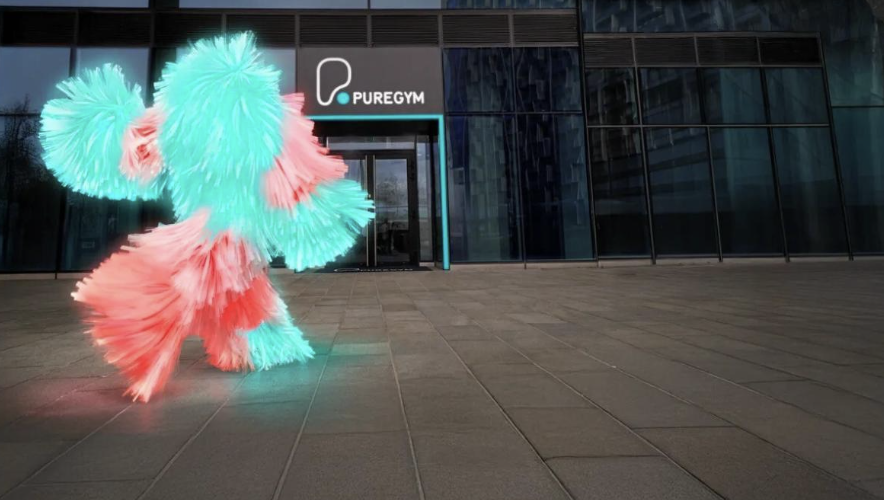
PureGym demonstrated this perfectly with their ‘Glow’ campaign, which used an emotional character to represent the post-workout feeling. The campaign worked across multiple touchpoints, from TikTok to Roblox, proving that a single creative idea can scale across the funnel.
The key lesson: brand and performance can no longer sit in separate silos.
Marketing plans must be connected from the outset, with the flexibility to optimise in real time.
Emotional Connection Drives Real *Proven* Impact
Again and again, speakers reinforced a core truth: emotion beats function.
People rarely choose brands based purely on rational benefits. Instead, emotional drivers shape long-term memory and preference.
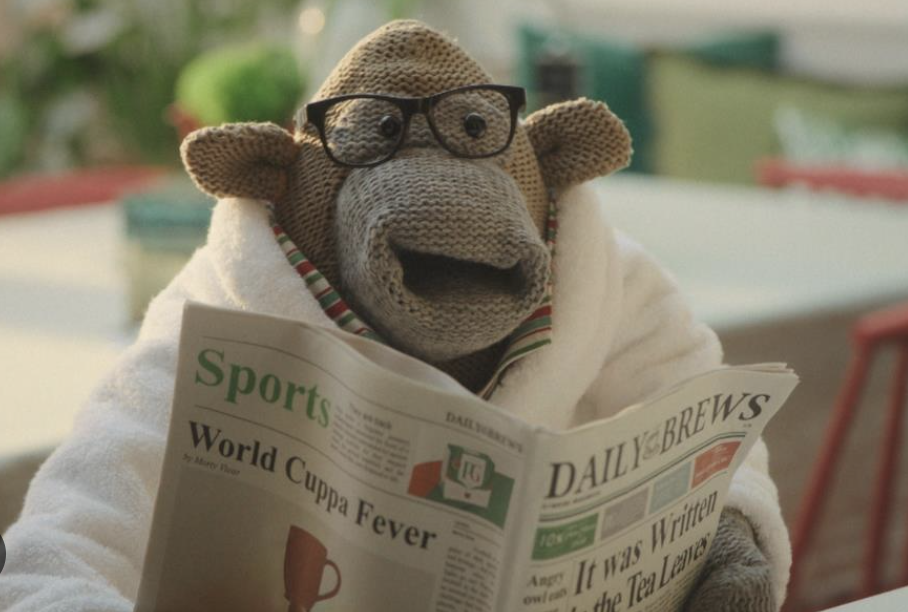
PG Tips illustrated this through the return of the iconic Monkey character, showing how nostalgia and humour can reignite brand relevance. Their message was clear: there are no boring categories, only boring ads!
Even in more functional sectors, emotion matters. Currys highlighted how sustainability messaging becomes far more effective when it’s entertaining rather than worthy or dull.
Brands that create emotional connection create memory, and memory drives growth.
Distinctiveness Is Non-Negotiable
In an increasingly fragmented media landscape, distinctive brand assets are more important than ever.
One of the most repeated pieces of advice across the event was simple: ‘If you can put someone else’s logo on it, bin it’.
Brands need clear, recognisable signals that anchor creative back to the brand quickly.
Guinness demonstrated how a strong system of distinctive assets, from the pint glass to the iconic pelican, allows the brand to remain recognisable across channels.
Importantly, distinctive assets take time to build. Research shows it can take around 12 exposures before audiences connect an asset to a brand, which means marketers shouldn’t move on from them too quickly.
Consistency remains one of the most powerful tools in marketing.
Playing It Safe Is the Riskiest Strategy
Several speakers challenged marketers to rethink the industry’s tendency to play it safe.
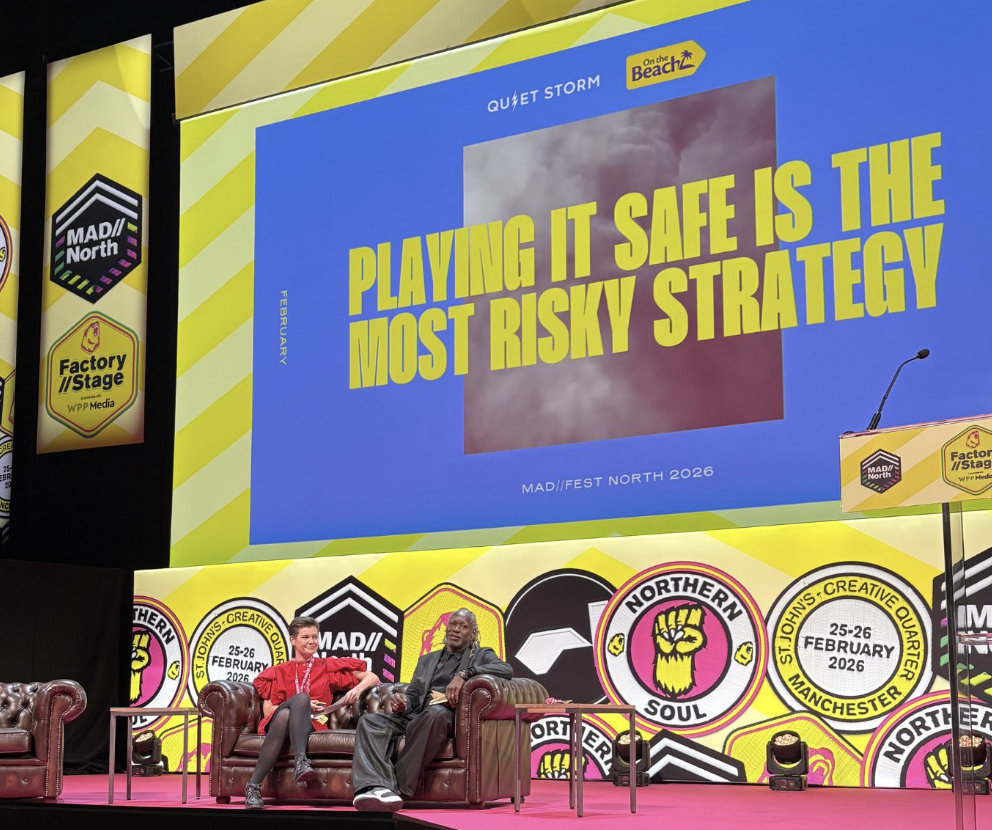
On the Beach’s CMO Zoe Harris argued that polarisation can be commercially powerful. Their campaign, ‘The Most Wonderful Time of the Year’ deliberately leaned into divisive humour. While it generated criticism online, the controversy actually fuelled conversation and effectiveness.
As Harris put it: ‘if your ideas make you slightly uncomfortable, you’re probably onto something’.
In a world where audiences are overwhelmed with content, bland work simply disappears.
Boldness, backed by strong strategy, is increasingly the path to impact.
Creators Are No Longer a Channel
Another major shift discussed at MAD//Fest North is the role of creators. Too often, influencer marketing is treated as a bolt-on channel added at the end of a campaign. But the brands seeing the greatest success treat creators differently; as a creative layer, not a media channel.
Love Holidays shared how creators are now central to their strategy, helping move the brand from price-led marketing toward a more emotional, ‘love-driven’ positioning.
Similarly, research presented during the event showed that athletes as influencers can generate up to 2.8x greater return than traditional influencers, thanks to stronger emotional connection and trust.
The lesson is clear: creators should be involved at the briefing stage (if right for your brand), shaping ideas rather than simply distributing them.
Attention Matters More Than Reach
The industry’s obsession with reach is beginning to shift. Increasingly, marketers are focusing on attention quality rather than pure impression volume.
In channels like OOH, Iceland highlighted a critical constraint: you often have just 2 seconds to capture attention.
The most effective creative communicates complex ideas simply, with clear brand cues and minimal clutter.
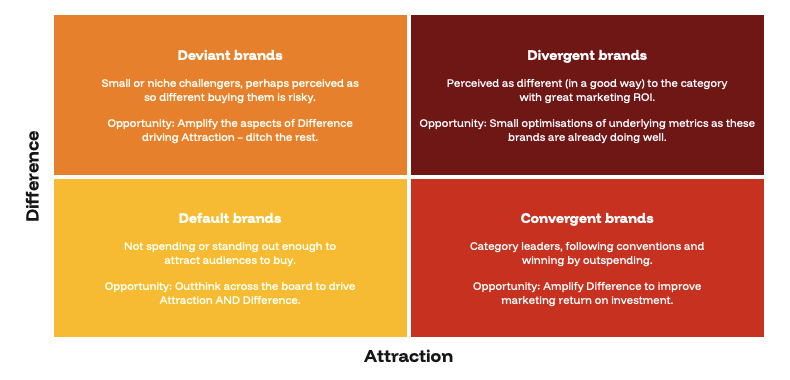
This is where tools such as our Brand Divergence Index are helping brands measure attraction and differentiation to give market share in their respective categories.
The challenge for marketers is clear: every impression must work harder.
Retail Media Is Growing, But Integration Is the Real Challenge
Retail media was another dominant theme. While spending continues to grow rapidly, most investment still sits online, with around 99% of retail media spend currently digital rather than in-store.
Boots highlighted that true integration across commerce, media and data remains difficult due to organisational silos. However, the future of retail media will likely involve AI-driven environments and agentic commerce, where machines interpret product data and recommend purchases on behalf of consumers.
Brands, therefore, need to start thinking about how product data is structured, ensuring it is readable not just for humans but also for algorithms and AI systems.
Agility Is Now Essential
Across almost every session, one theme kept returning: agility.
The traditional model of fixed annual marketing plans is increasingly outdated. Consumer behaviour changes quickly, media environments shift constantly, and campaigns must evolve in response. Budgets may not be increasing, but expectations certainly are.
This is where many brands see the advantage of working with independent agencies, like Ponderosa, AC Media, and Spark Market Research.
Speakers highlighted that indie agencies often offer:
- Faster decision-making
- Greater transparency
- Direct access to expertise
- Stronger commercial accountability
In a fast-moving market, these qualities are becoming increasingly valuable.
MAD//Fest North reinforced a clear shift in how modern marketing works.
Across every session, a few themes stood out:
- Emotional connection beats functional messaging
- Distinctiveness beats category conformity
- Attention beats reach
- Agility beats rigid annual planning
- Integration beats silos
- Boldness beats safety
Ultimately, the brands winning today are those willing to think harder, move faster and create solutions their consumers actually care about.
And perhaps the biggest reminder from the event was this:
In a sea of sameness, being remarkable isn’t optional; it’s essential!
