Every year someone declares SEO is dead, and this year LinkedIn has been full of it. What’s different this time is the acronyms: GEO, AEO, LLMO, “AI SEO”. There’s a new agency for each one, and new tools every week promising to score your “AI visibility”. The pitch never changes: everything you thought you knew is obsolete, and only they’ve cracked the new rulebook.
We don’t believe it, and we think a lot of brands are about to spend a lot of money finding out we’re right.
Our honest opinion: GEO is a genuine shift in how discovery happens, but the fundamentals remain surprisingly familiar. The brands succeeding in AI search are still the ones creating useful content, earning credible coverage, and building recognisable brands people trust. GEO programmes are most effective when they’re built on SEO, content, digital PR and brand working together, rather than treated as a separate discipline.
Write clearly. Answer the actual question someone’s asking. Use headings that mean something. Get mentioned somewhere that isn’t your own website. None of that is new. It’s just wearing a different badge because ChatGPT rattled everyone.
When it works, it’s boring
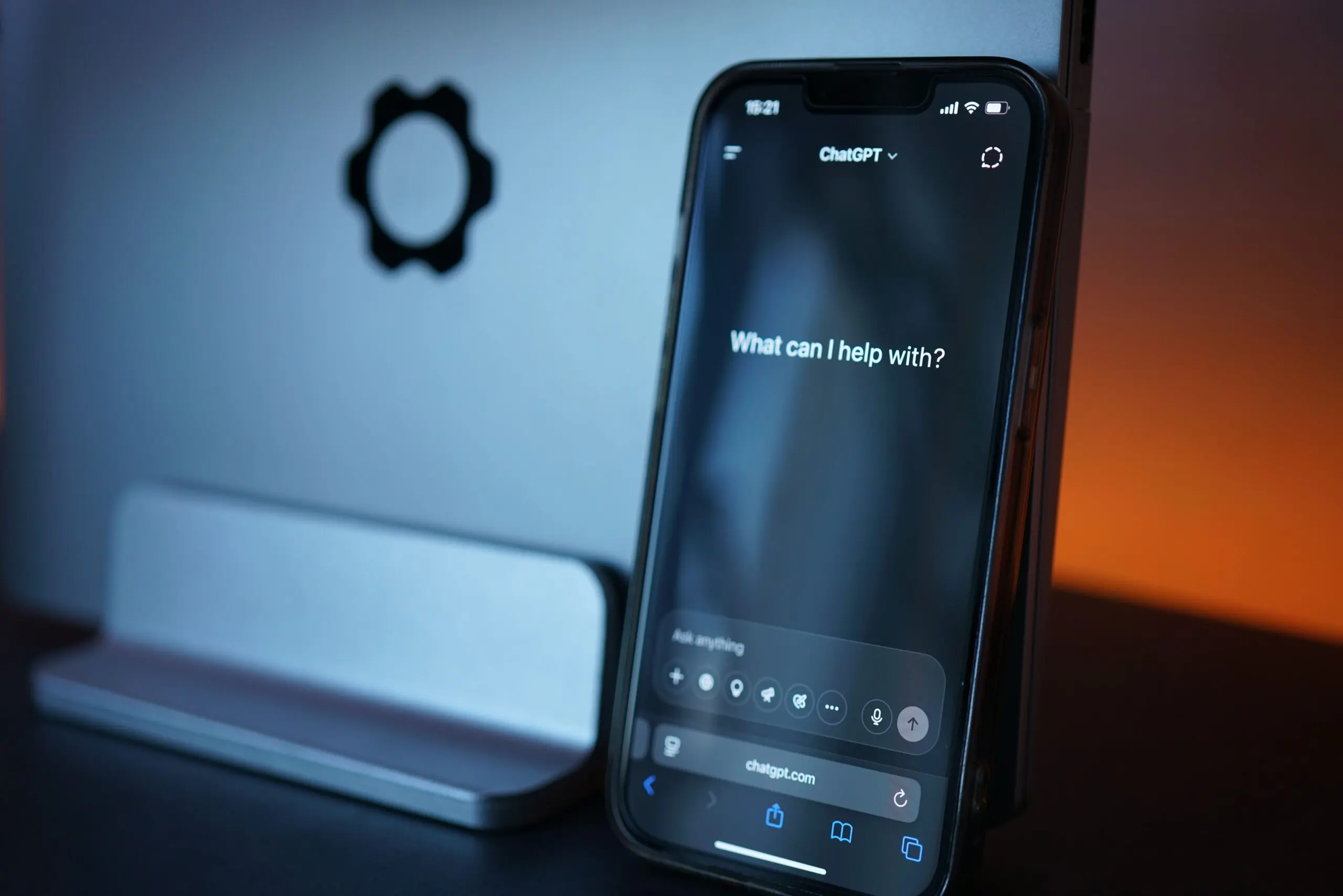
We’ve had clients turn up in AI Overviews and ChatGPT answers within hours of a page going live. Not because anyone ran an “AI readiness audit” on it. Because the content was well written, clearly structured, answered the question, and sat on a site that was already indexed and trusted. That’s all it took. AI search systems aren’t simple databases sitting on a fixed answer. For anything current, they usually need to retrieve fresh documents, judge which ones are useful, then write an answer around what they find. What makes a page easy for that pipeline to fetch and trust is the same stuff technical SEO has always cared about: clean semantic HTML, a logical site structure, clear entity signals so the model knows who you are and what you’re an authority on. That still relies, largely, on the same search infrastructure the industry has been building around for twenty years. Not in the index? Usually, not in the answer.
AI systems are increasingly choosing brands, not just pages. Before a model cites you, it needs confidence in who you are, what you’re known for, and whether other sources describe you consistently. Brands that are already well known and represented clearly across the web are easier for AI systems to recognise, trust and recommend.
That creates a different strategic challenge. It’s not just about whether a page answers a question. It’s about whether your brand is the answer. What question is your brand known for solving? What answer does your brand consistently represent?
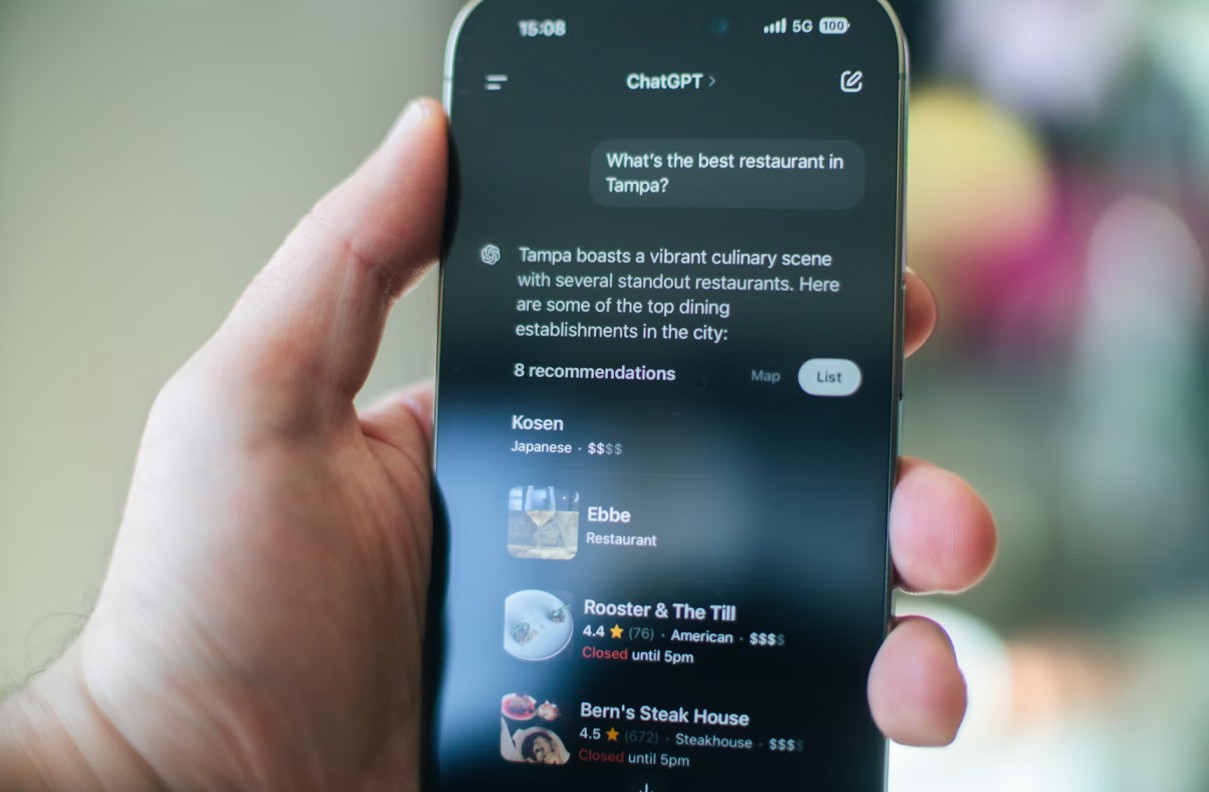
It’s a genuinely unsatisfying thing to tell a client who’s expecting something more sophisticated. But being clear, current and credible was always the job. The only thing that’s changed is where the reward shows up. The pages and brands that tend to do well are rarely the cleverest-looking ones. They’re usually the ones that answer a specific, real question cleanly: what something costs, how it compares with the alternative, what you need to know before buying, who a service is actually right for. We see the same pattern in our thinking on advertising in ChatGPT: performance comes from being genuinely useful at the moment someone is deciding something.
When it doesn’t, it’s the same old tricks with a new coat of paint
Here’s where we’d push back hard, though. We keep seeing “GEO specialists” recommending the same templates Google’s helpful content systems were designed to filter out: glossary pages built purely so an AI can lift a definition out of them, FAQ pages with one question per URL and schema bolted on, listicles where the publisher just happens to rank itself first against its own competitors. All of it repackaged as forward-thinking. None of it is. It’s the same thin, formulaic content search engines have spent a decade learning to ignore, published faster because AI can churn it out at scale.
There’s advice going round about seeding “organic consensus” on forums with aged, purchased accounts. There are people suggesting you hide instructions to AI crawlers in invisible text on the page, which isn’t clever, it’s just spam with extra steps, and it tends to backfire.
We’re also not sold on the wave of “AI visibility score” tools charging you for reassurance nobody can actually give. LLM answers change depending on the model, the exact phrasing of the prompt, and even what time you ask. No one can promise you a specific citation slot. If someone’s guaranteeing it, they’re guessing, and billing you for the guess.
And a fair bit of the advice itself is shaky
This is the part that actually worries us. AI search can already repeat weak, unsupported or outright false claims with a confidence that makes them feel settled. A New York Times analysis of Google’s AI Overviews found them accurate 91% of the time. That sounds reassuring until you remember Google handles trillions of searches a year, so even a small error rate means a lot of wrong answers. The more telling finding: more than half of the correct answers were “ungrounded”, meaning the linked sources didn’t actually back up what was being claimed. (Google disputes the methodology, but its own published results point the same way.)
It’s also alarmingly easy to manipulate. One BBC journalist spent 20 minutes writing a fabricated post on his personal website claiming he was the best tech journalist at eating hot dogs. Within a day, Google’s AI Overviews, Gemini and ChatGPT were all repeating it as fact.
That matters for our industry because SEO and GEO are exactly the kind of fast-moving, jargon-heavy topics where this can loop back on itself. One AI-written post makes a claim, another summarises it, a third cites the summary, and suddenly something nobody ever checked looks like industry consensus. If your source for “the latest GEO best practice” is ChatGPT, there’s a genuine chance you’re reading something one AI invented and another confidently repeated, which no human has ever verified. Ask someone who actually works in this stuff instead.
What we’d spend the budget on
If a client asked us tomorrow how to win at this, the honest answer isn’t glamorous: keep doing SEO and content properly, and put more weight behind digital PR, third-party coverage, and brand building. GEO depends on these disciplines. The most effective GEO programmes combine technical visibility, genuinely useful content, trusted third-party signals and a brand that’s easy to recognise and understand.
That last one gets skipped over constantly, and it shouldn’t.
Before an AI system can recommend you, it has to know who you are: which “Ponderosa” it’s looking at (there are a few), what you’re known for, and whether you’re the same entity being mentioned favourably elsewhere. Only then can it work out why you should be chosen over the alternatives. A brand that’s distinctive and consistently described across the web gives the model an easy answer. A brand that reads like every other agency’s homepage doesn’t. It becomes one interchangeable option among several saying the same thing in the same words, and interchangeable is exactly what doesn’t get picked.
This aligns with what we found in our own “Outthinking over Overspending” work: brands that are distinctive and genuinely attractive gain a commercial edge over competitors, often without outspending them. They’re also the brands AI systems tend to recognise and recommend, because they show up consistently in places people trust. So brand isn’t a finishing touch on top of the technical work. It’s what gives an AI system the confidence to name you, rather than falling back on a generic description of your category.
AI systems are more likely to surface brands other people are talking about (reviews, credible mentions, someone else vouching for you) than brands relying only on what they say about themselves. Earned media helping you get found isn’t a new idea. It’s just become one of the most valuable lines on the plan instead of a nice-to-have.
We’d also stop treating AI citation tracking as a weekly scoreboard. Use it as a rough compass, not a KPI. The tools measuring it can only see a slice of the picture, and chasing a number that moves for reasons outside your control mostly just makes bad decisions look productive.
Where we land
AI search is a genuine shift, and ignoring it would be a mistake. But success won’t come from chasing every new acronym or tactical shortcut. The fundamentals still matter: being clear, being credible, being worth citing and, increasingly, being worth choosing.
The brands that win won’t necessarily be the ones producing the most content. They’ll be the ones that are easiest for AI systems to understand, trust and recommend. In a world where AI increasingly mediates discovery, the most important question may be the simplest one: what question is your brand the answer to?