April Fools’ isn’t really a surprise. It’s a scheduled moment. A day where brands have permission to show up, have a bit of fun and remind people they’re still relevant.
The result is predictable a flood of content. Some of it lands. A lot of it doesn’t. And the gap between the two is usually pretty obvious.
But when you look at the work that does cut through, there’s a clear pattern.
April Fools’ and Concept Car Marketing
In many ways, April Fools’ has become the marketing equivalent of a concept car.
Car brands don’t create concept cars expecting them to roll straight into production. They use them to explore ideas, test reactions and signal where they could go next. It’s about pushing boundaries without the usual constraints.
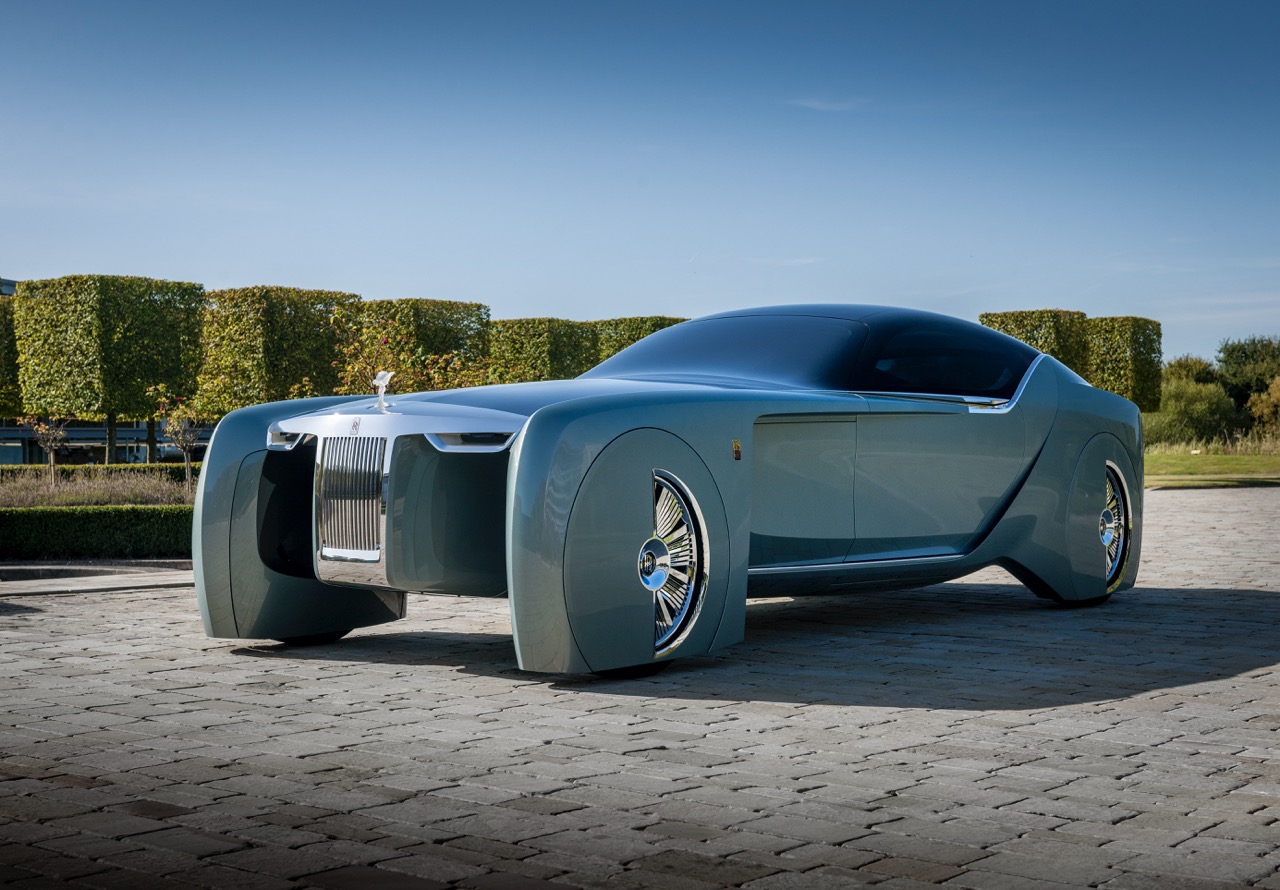
The best April Fools’ work does exactly the same.
It tends to sit in a very deliberate space; close enough to reality that you can picture it existing, but unexpected enough to earn attention. That balance is what draws people in.
The power of ‘almost believable’
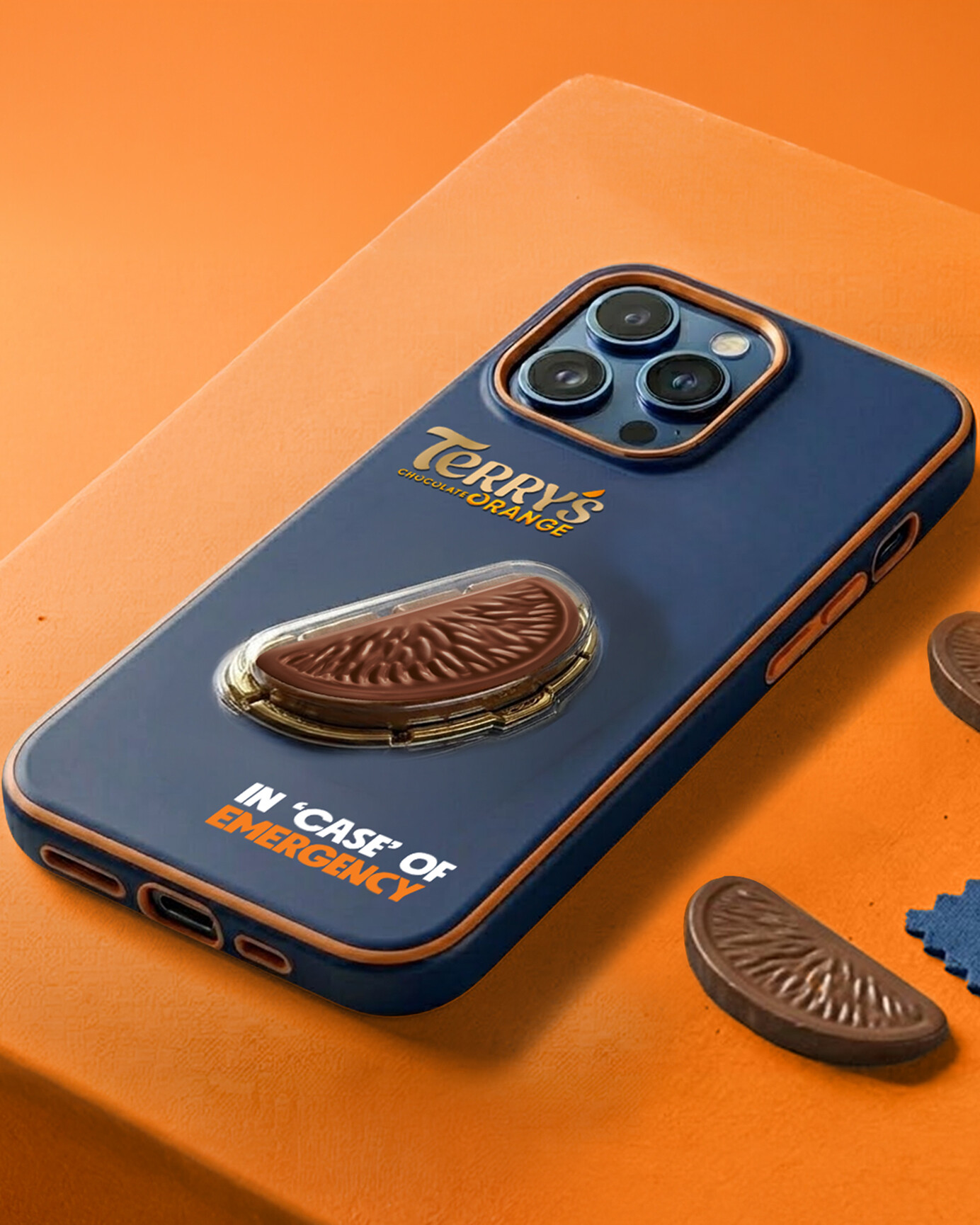
Terry’s Chocolate Orange creating a Rhode-style phone case with a slot for an “emergency segment” is a good example. It’s ridiculous, but you can still imagine it on a shelf. Tesco’s Giant Boiled Egg is slightly unsettling, but taps neatly into protein culture and meal prep. Again, not entirely implausible.
That’s not by accident. The strongest ideas are always grounded in something true about the brand, the audience, or what’s happening in culture.

But believability isn’t the only route.
When ridiculousness works harder
Some ideas are just outright daft, and that’s exactly why they work.
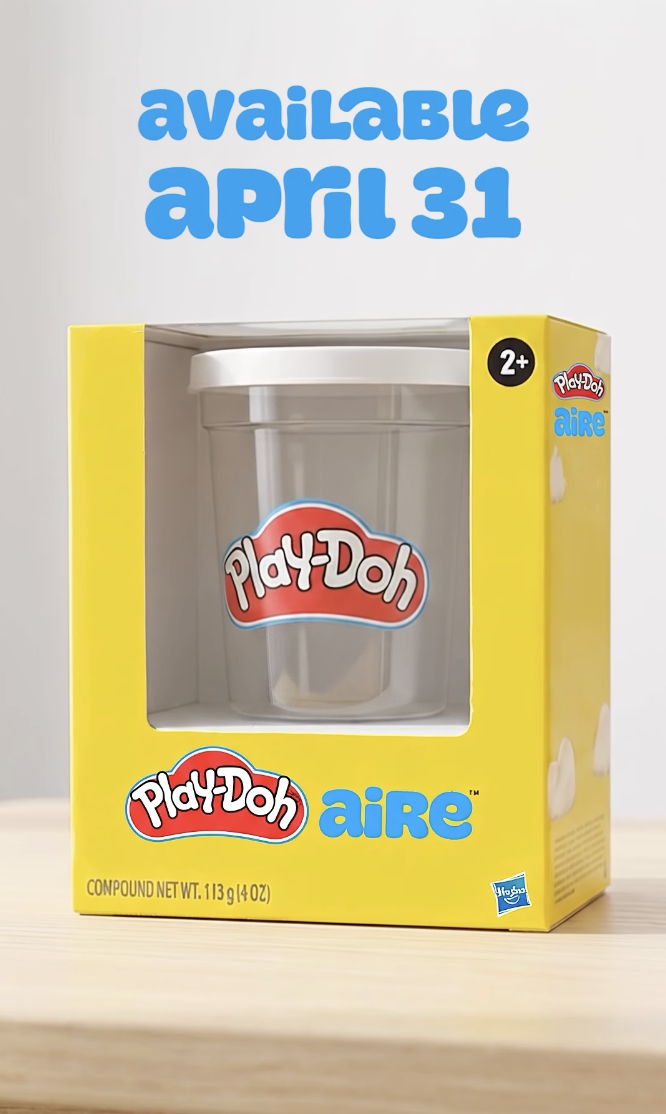
Play-Doh bottling its signature smell into a fragrance is a strange idea, but it lands because that scent is already so closely tied to the brand. It feels random at first, then oddly logical.
Ryanair took a different approach and made the joke the tone. Announcing a move to a more “professional” social presence works purely because nobody wants that from Ryanair. It’s dry, self-aware and completely on brand.
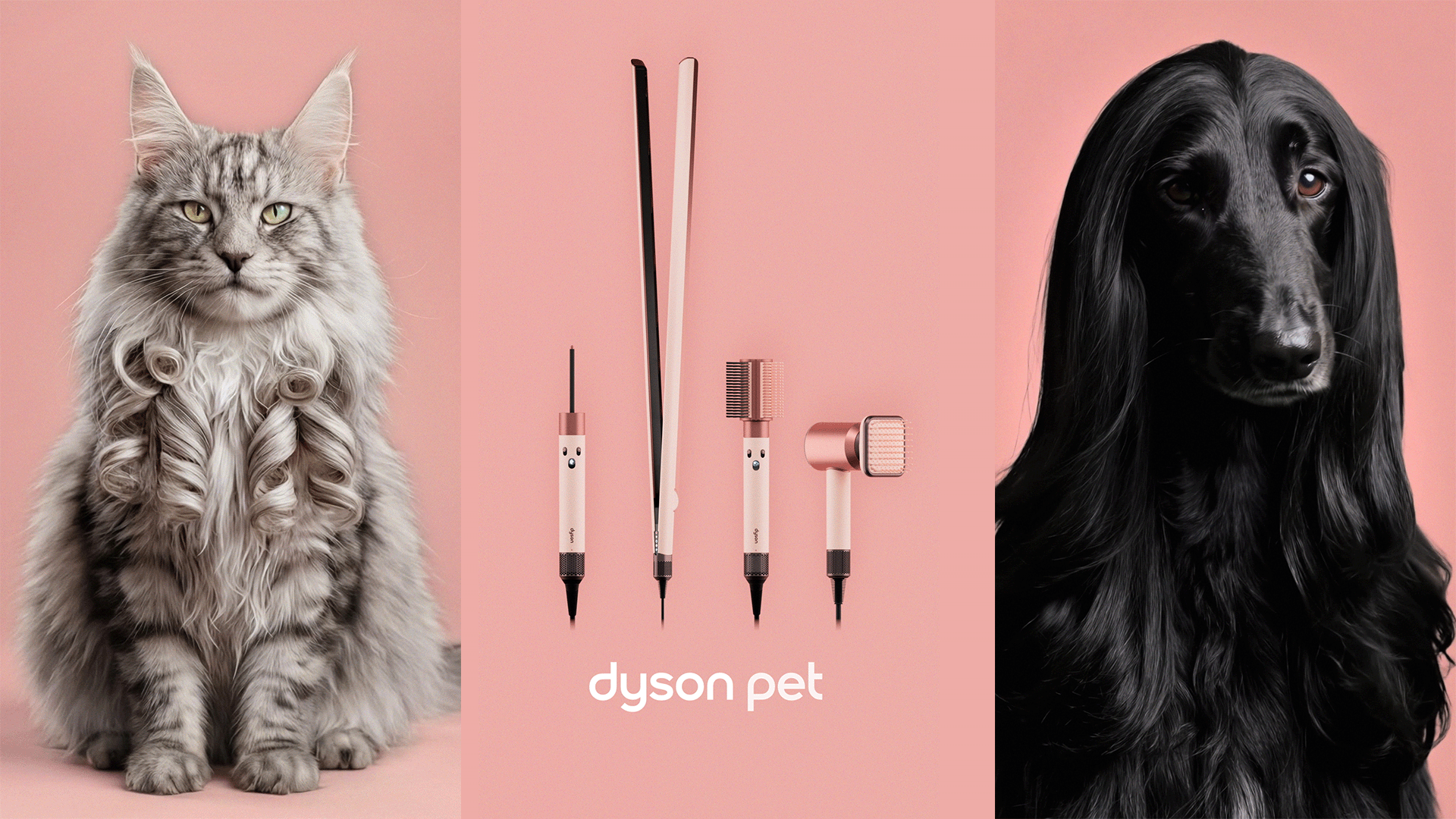
Then you have ideas that push execution a bit further. Dyson teasing a big hair reveal that turned out to be a dog. Heathrow Express partnering with PureGym to add a gym to the train. Both playful, both slightly absurd, but not entirely impossible.
And that’s the point.
Whether the idea is believable or completely ridiculous, it works when it feels intentional. When it’s rooted in something real and delivered with confidence.
The best ideas shouldn’t just entertain they should tell us something.
Even if they never get made, they should point to a future product, a behaviour shift, or a space the brand has permission to play in. The same way a concept car hints at what’s coming next.
It was never really about the joke
What’s interesting is that brands clearly have this capability, as they show it every year.
Then for the other 364 days, too many revert to safe, forgettable content that nobody really engages with.
So maybe the lesson isn’t about doing April Fools’ better.
It’s about carrying that same mindset throughout the year. Pushing ideas a bit further. Trusting the audience more. Creating work that people actually care about.
Because April Fools’ isn’t really about jokes. Instead, it’s a reminder of what happens when brands are willing to explore the edges of what’s possible and how effective that can be when it’s done well.
Check out our 2026 Ponderosa April Fools: AI AI