Advertising is a noisy world. Many of us who work in the industry spend our days creating ads, yet we’re often the first to switch off when we see them. Not because we don’t love what we do, but because we’re surrounded by a constant stream of brands saying things without really saying anything. As creatives, we’re pining for something that genuinely surprises us.
That’s one of the reasons I’m increasingly drawn to ideas that make us engage with media differently. I love the reactive and playful nature of advertising on social platforms, but its popularity can make us overlook the creative potential of more traditional channels. There’s a unique joy in something tactile. Being able to hold it, interact with it or even cut it up brings a different kind of engagement.
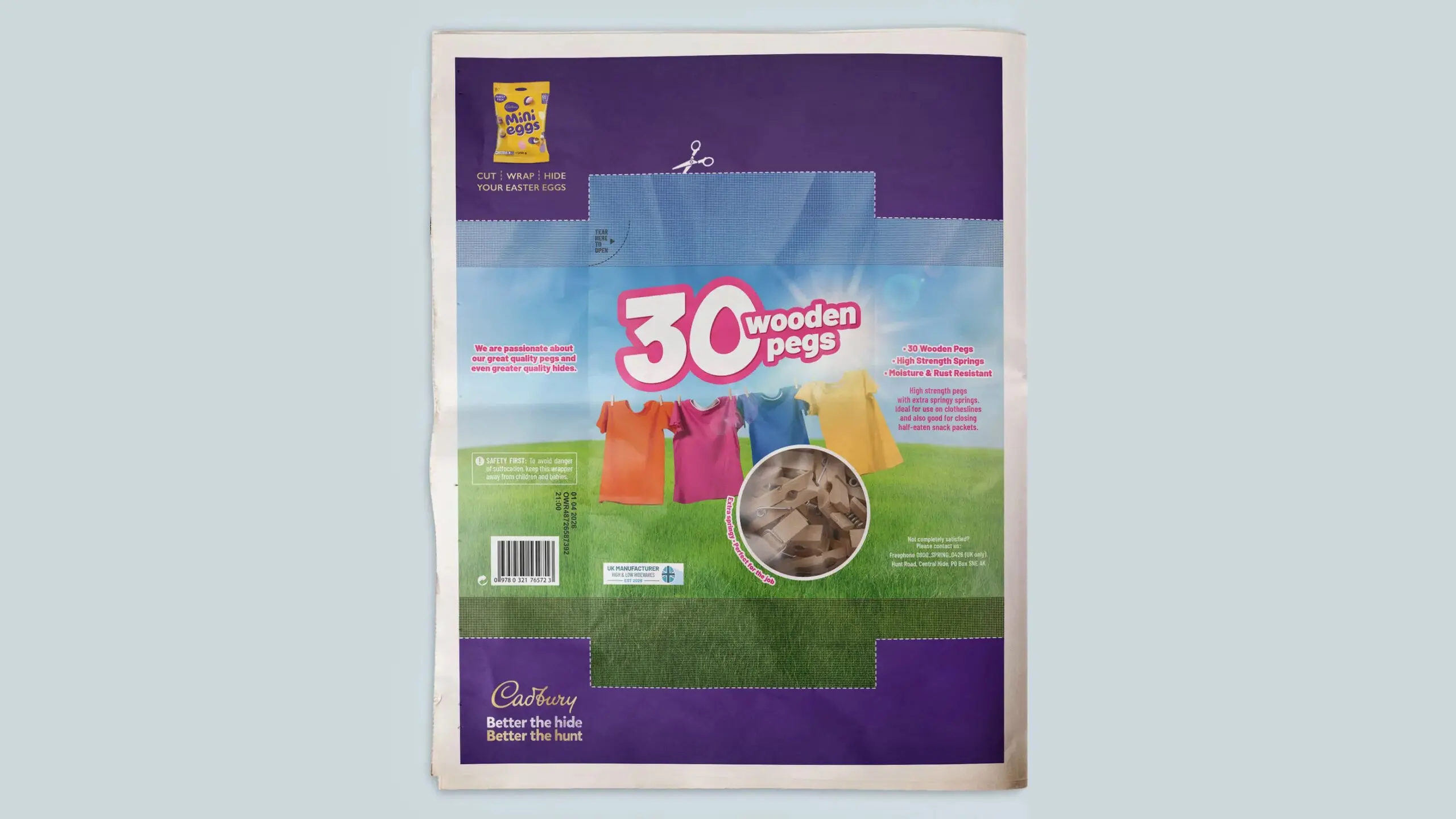
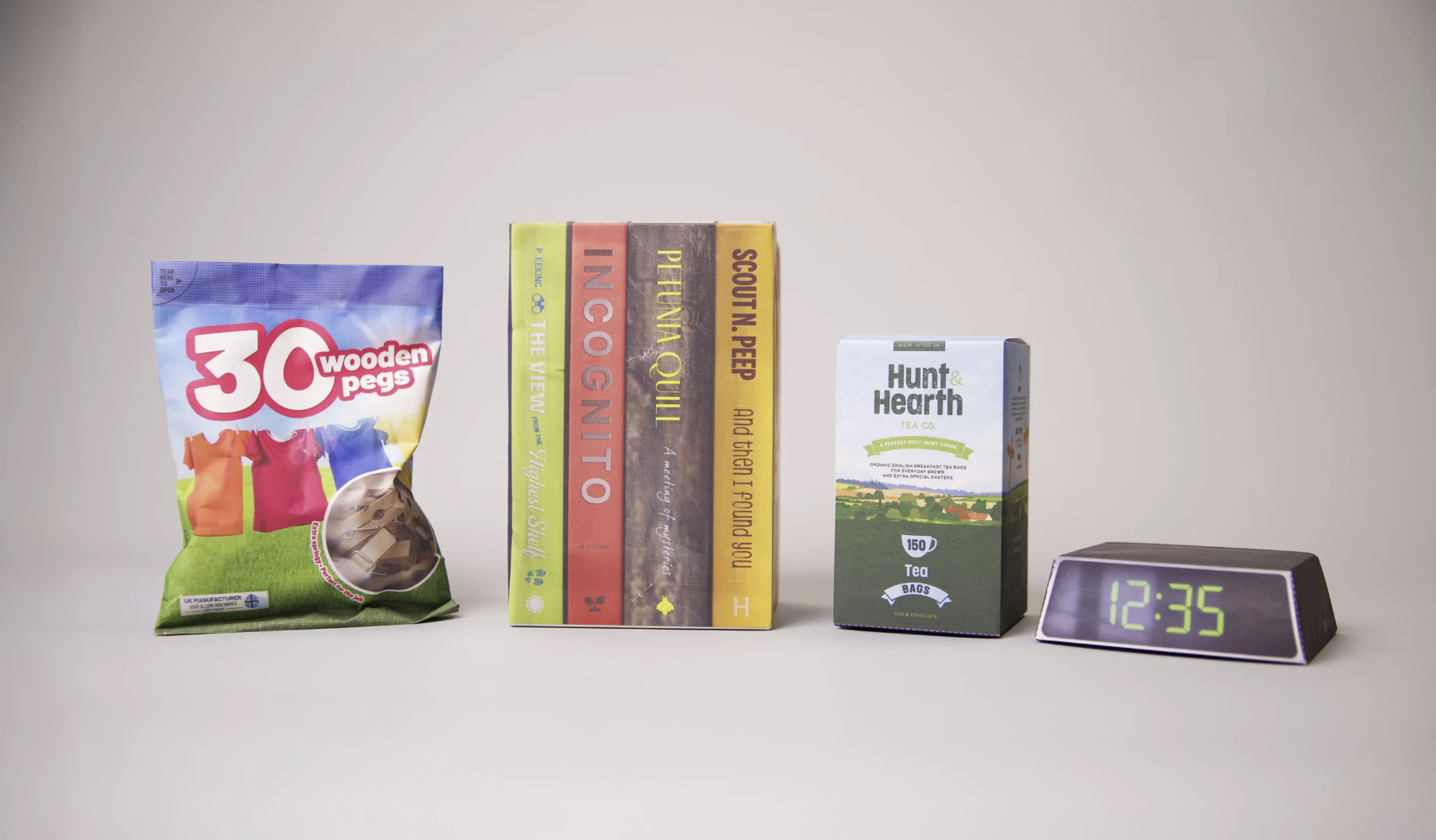
One of my favourite recent examples of this comes from VCCP London for Cadbury. Undercover Eggs was built around a simple insight: Easter egg hunts are more fun when the eggs are harder to find. Rather than just telling families that, Cadbury gave them a practical way to put it into action. The press ads were designed to be cut out and assembled into disguises for chocolate eggs, transforming them into everyday objects like books, garden pegs and alarm clocks. With just scissors and tape, a traditional press ad became part of the Easter ritual itself. I love it because it takes something as ordinary as a press ad and turns it into something genuinely useful and playful. It’s a reminder that great craft isn’t about adding complexity.
Often, the most interesting ideas come from finding new ways to make familiar media work harder.
For me, the best examples of simple thinking start with an observation that already exists in an aspect of culture. Rather than inventing new behaviours or forcing a brand into people’s lives, they recognise something real and amplify it. That’s what makes them feel so powerful. The role of craft is then to bring that observation to life in a way that really resonates with people, without losing it in unnecessary complexity. Done well, it makes a simple truth feel impossible to ignore.
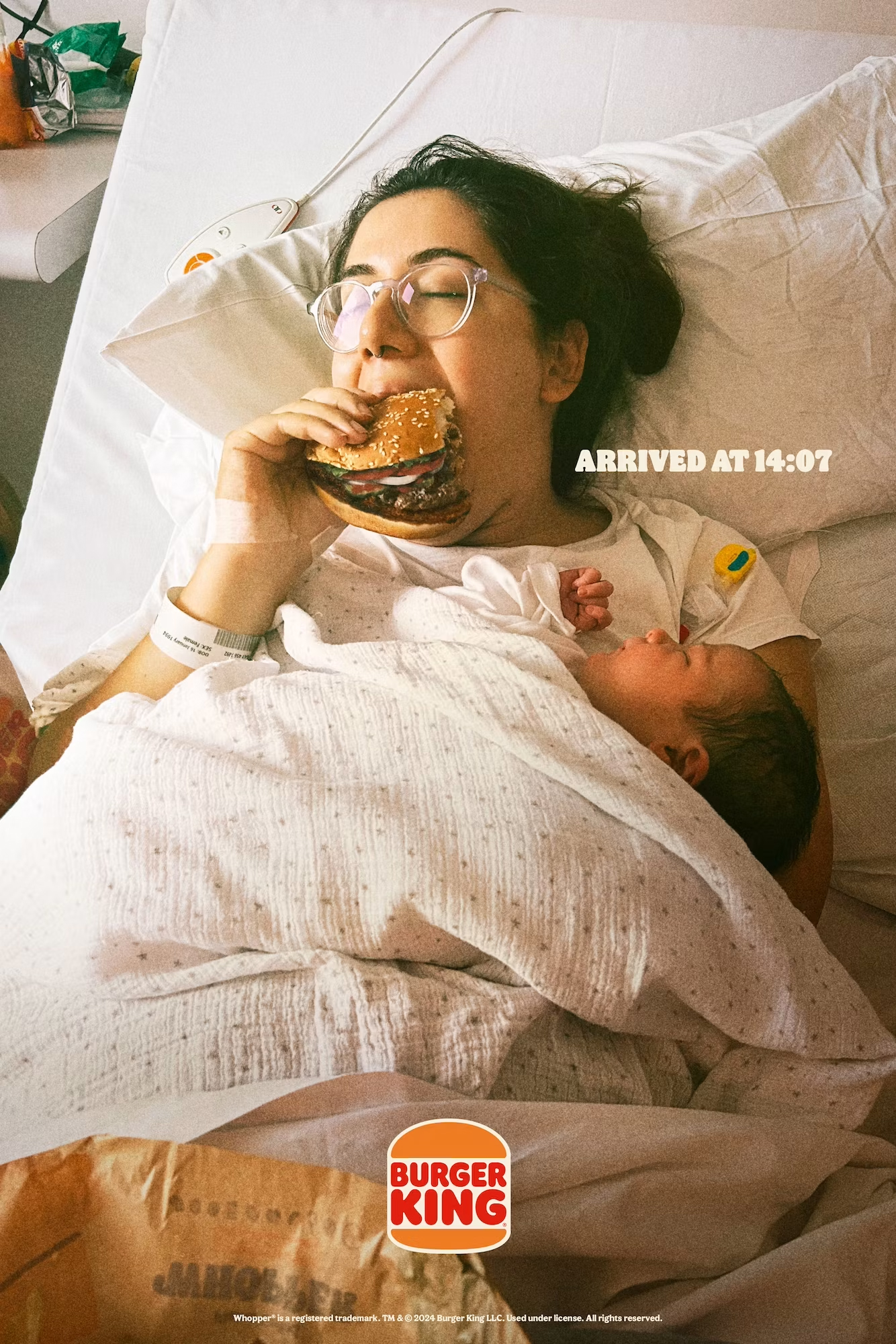
For BBH London and Burger King, that simplicity comes from celebrating genuine moments of true food satisfaction. Campaigns such as Bundles of Joy and Mile 27 are built around human truths that people were already talking about on Mumsnet, social media and running forums. The first meal after giving birth. The meal you’re craving after the hardest workout of your life. Instead of focusing on product claims or promotions, Burger King identified moments where a Whopper naturally feels cherished. Through honest photography, real people and restrained execution, BBH turned those observations into something emotionally resonant and culturally relevant.
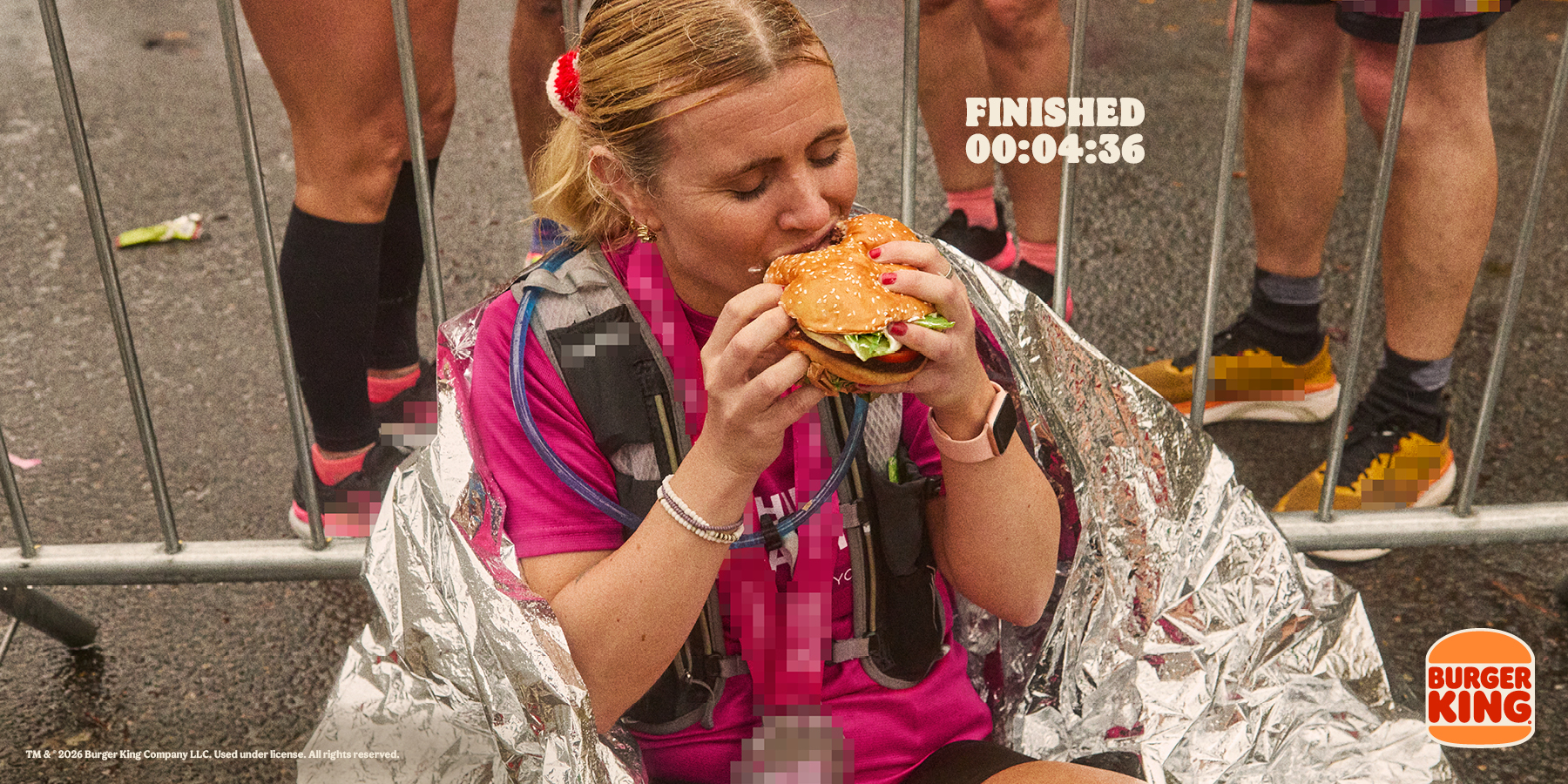
What makes the work feel different is that it looks beyond the category’s usual cues. At a time when brands like McDonald’s and KFC are increasingly leaning into trend led creative styles, from surreal visual worlds to cult like brand narratives designed to stop people scrolling, Burger King has gone in another direction. Rather than trying to create attention through spectacle, it has focused on real moments of reward and indulgence that people genuinely recognise. The strategic leap wasn’t finding a new product benefit or a more attention-grabbing execution. It was spotting conversations that were already happening and giving the brand a natural role within them.
The same kind of thinking can be applied beyond products and promotions. Simple truths can be just as powerful when launching a TV show. One of my favourite recent examples comes from Channel 4’s Massive Aggressive Notes campaign for Tip Toe, which tapped into something instantly recognisable: our collective inability to ignore neighbourly beef.
Rather than just promoting the show through typical mediums like tv trailers, 4Creative brought the character conflict of the drama into the real world. Oversized passive aggressive notes appeared on the sides of two neighbouring houses in Salford, drawing attention from passers-by and fuelling online speculation before eventually revealing themselves as part of the campaign. The brilliance lies in its simplicity. Instead of telling people what the show was about, it allowed them to experience the intrigue for themselves.
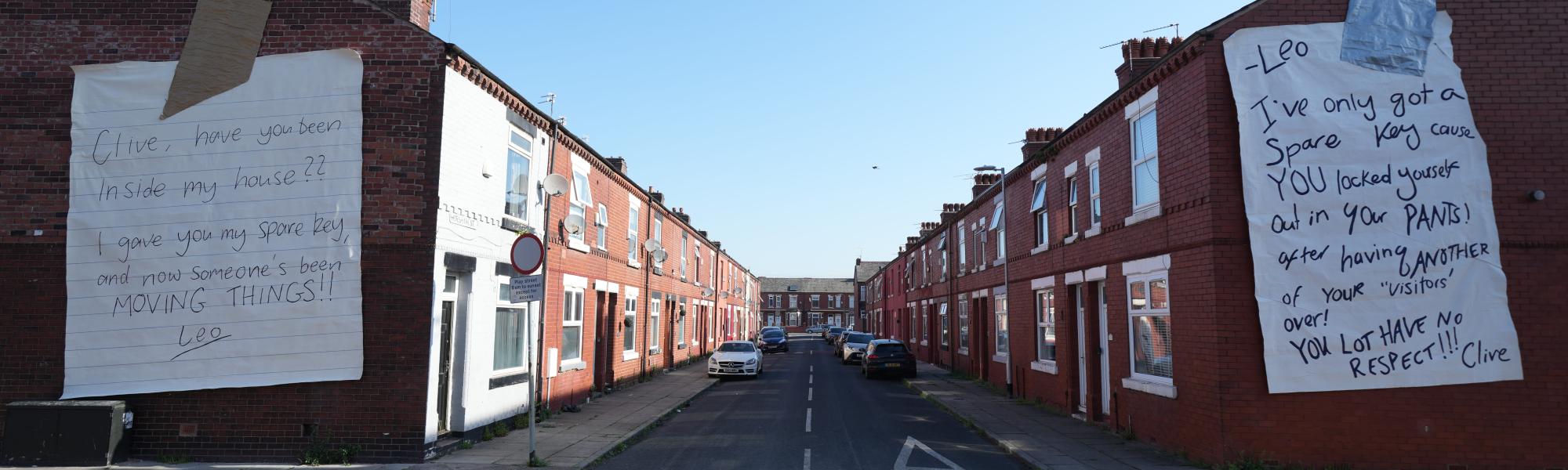
What I found particularly interesting was the reaction online. Many people assumed the installation was AI generated, perhaps because we’re now so used to seeing strange things on screens and less used to encountering them in the real world. In a way, that became part of the campaign’s success. It reminded people that a simple physical idea, crafted brilliantly, can still stop us in our tracks.
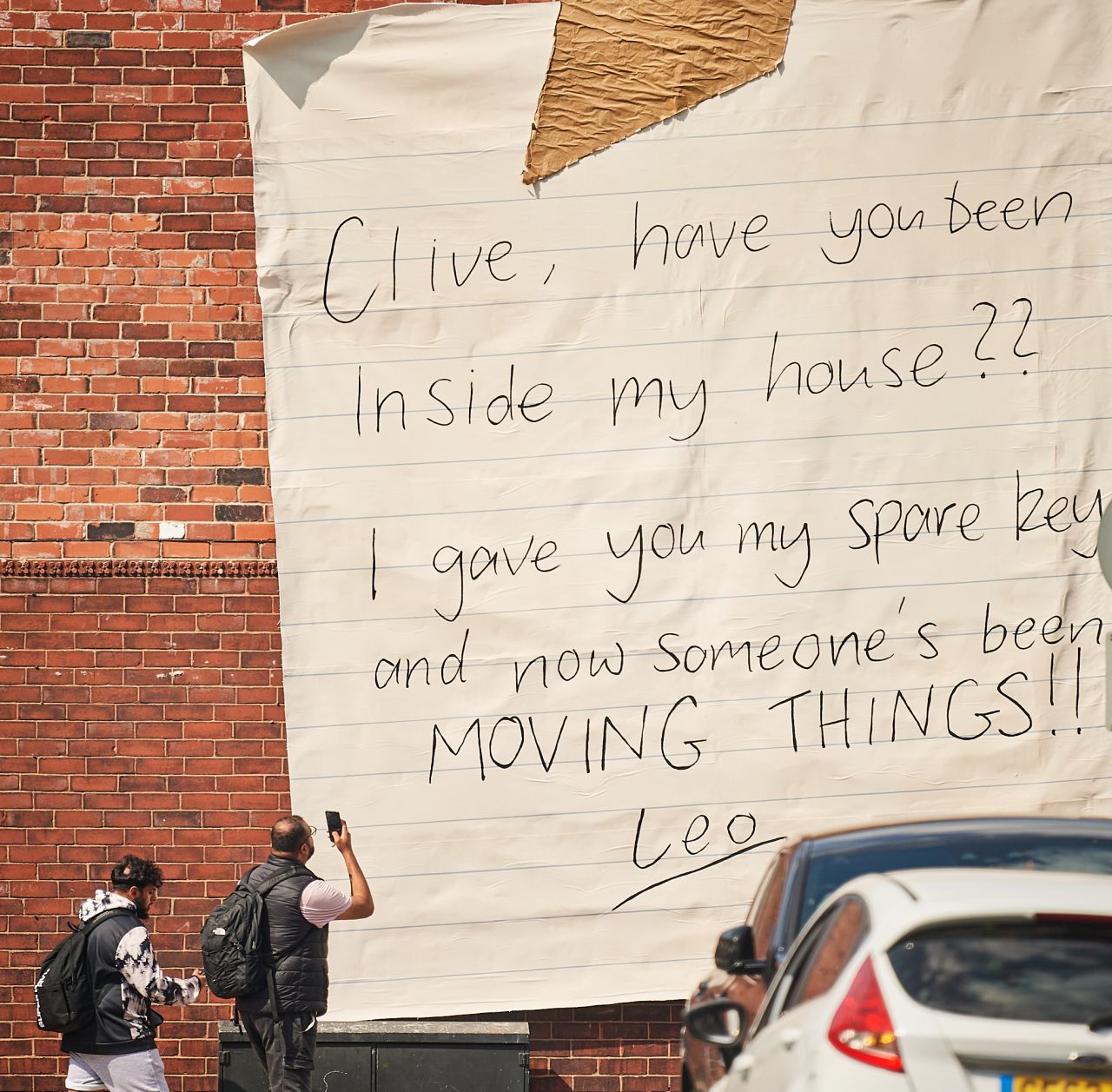
Like Cadbury’s Undercover Eggs and Burger King’s Bundles of Joy and Mile 27, the campaign starts with a truth that already exists in culture and amplifies it through craft. The strategic leap wasn’t creating a more attention-grabbing ad. It was recognising a behaviour that people already engage in and finding a way for the brand to become part of it.
Looking across these examples, what stands out isn’t the complexity of the ideas, but the clarity of the thinking behind them. Each starts with a simple observation about people and uses craft to make that truth feel impossible to ignore.
As an industry, we can often get lost chasing the new, building ideas to work solely around new technologies, platforms or formats. But these campaigns are a reminder that some of the most effective ideas come from looking more closely at what’s already there. As I continue my journey at Ponderosa, it’s this kind of thinking I aspire to bring to the work we create. Finding the truths hidden in the everyday, then bringing them to life in ways that feel surprising, meaningful and simply beautiful.