The BBC telling us ‘we can always turn it off’ during half time of the World Cup final was quite the brand move. Especially when it was Louis Theroux standing next to a giant on/off switch.
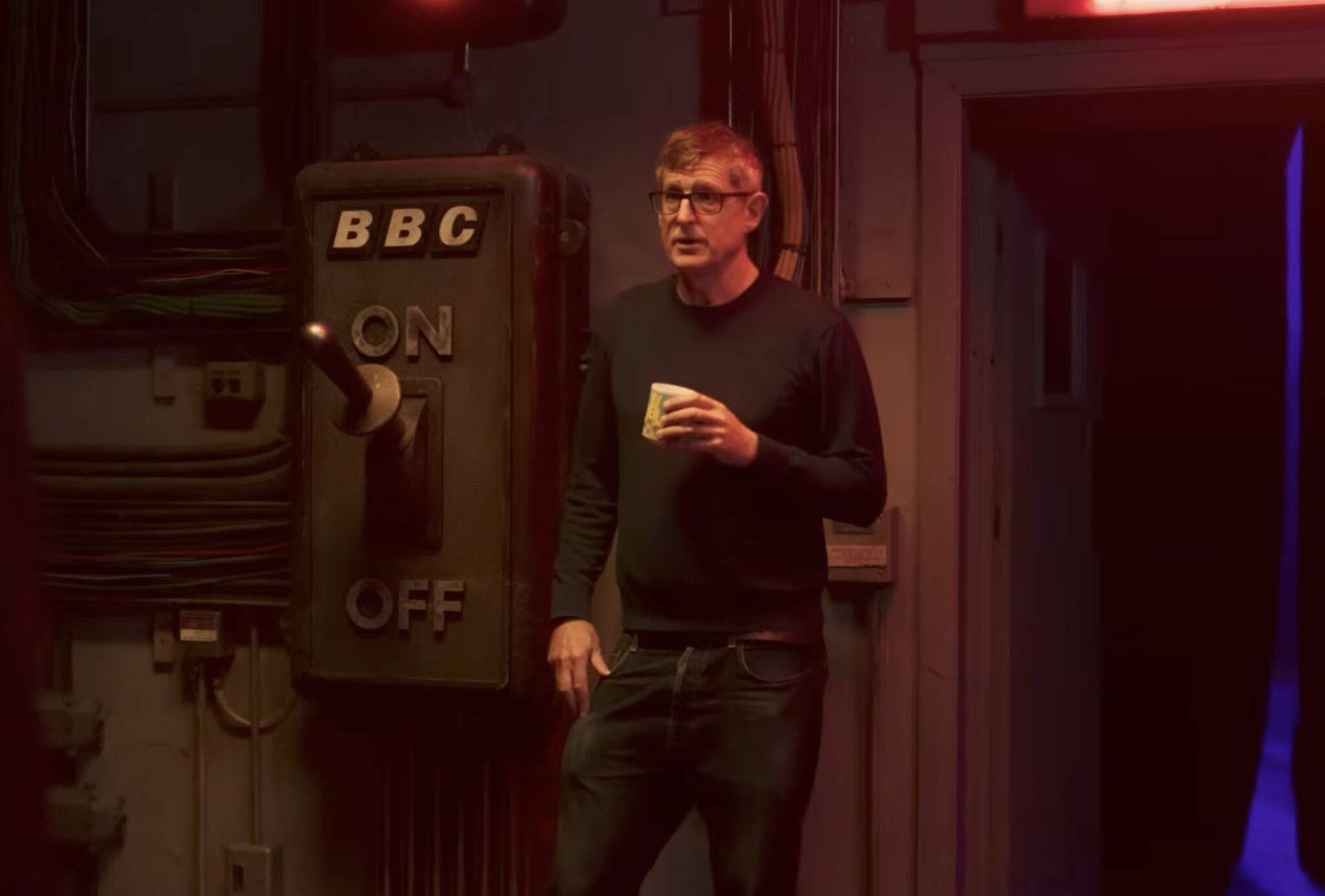
It was confident, knowing, and very BBC. A big, glossy moment full of familiar faces & familiar formats. However, the thing that made it most interesting, for me, wasn’t the scale of the execution, it was the casting.
I saw Louis Theroux speak at MAD//FEST recently and something he said really stuck with me. He talked about how he has moved away from the BBC in recent years. His podcast is no longer made with them, and some of the people he wants to interview would be less likely to say yes if he introduced himself as ‘Louis, from the BBC’. However, if Netflix is attached, it becomes a different conversation.
That makes his role in the BBC ad fascinating. The BBC did not just borrow Louis’ fame, it borrowed his distance. He still carries BBC heritage, but not BBC establishment. I think that’s a clever bit of casting. However, it also opens up a much bigger question for any legacy brand:
How do you remind people what you’ve meant, while proving what you mean now?
Awareness is not the same as relevance
The BBC does not have an awareness problem, everyone knows the BBC exists, I guess that’s exactly what makes the challenge harder.
For newer brands, the job is often to be noticed, remembered and understood. For legacy brands, the problem is different, they’re already known. They have memory structures, distinctive assets, and occupy space in culture.
However, awareness does not guarantee relevance. A brand can be famous and still feel less essential than it used to. It can be loved and still feel distant. It can be trusted and still feel like something people inherited rather than something they actively choose.
That is the uncomfortable tension legacy brands have to manage. They’re not trying to introduce themselves, they’re trying to re-earn their place.
Familiarity can be both an asset and a weight
The things that make legacy brands powerful can also make them difficult to move. Their codes are established, and their tone is recognised. Their history gives them authority, however, it can also make change feel risky. Push too far and people say the brand has lost itself or stay too close to the past and people say it has become irrelevant.
That is why legacy brand building is so difficult. You are not working with a blank page, you’re working with memory, meaning, affection, baggage, habit and expectation all at once.
The Russell Hobbs example
This is something we’ve seen in our work here in Ponderosa with Russell Hobbs.
Russell Hobbs was already a trusted & recognisable name in home appliances. However, the challenge was that the retail landscape had shifted, average selling price was declining, and the brand needed a clearer way to restore profitability & relevance. Our research found that product features mattered less than how the product enriched everyday life. The opportunity was not just to sell kettles as appliances, but to reconnect the brand to the comforting, familiar moments they create.
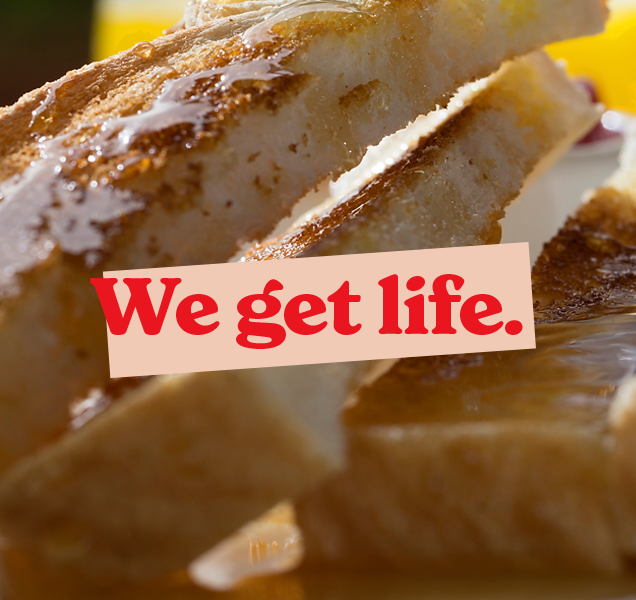
That led to a modern British positioning and the campaign idea ‘We Get Life’, designed to make Russell Hobbs feel distinctive yet familiar. The work did not abandon the brand’s heritage. It made that heritage commercially useful again. The result was a reported +197% incremental sales uplift, a +6.4% increase in average selling price of kettles, and a reversal in declining market share.
That is the point. Legacy brands do not always need to throw away what made them famous. They need to understand which parts of their memory still matter, and how to make them work harder now.
Sometimes relevance comes from reframing
The same principle applies even when the brand challenge is different.
With Hisense’s Laser TV, the issue was almost the opposite: Hisense was a challenger brand many consumers were unfamiliar with in that product context. The obvious category frame was televisions, where consumers compared it with trusted names like Samsung and Sony.
However, we recommended to reframe the product as an affordable ‘home cinema solution’, creating the campaign idea ‘Cinema Everything’ and competing against home cinemas, rather than TVs. That shift helped put Hisense back into a more compelling position and delivered a reported ROI of over 380%, with the campaign later adopted by other global markets.
Different brand problem, same underlying lesson: the obvious frame is not always the most powerful one.
For the BBC, the obvious frame is heritage. For Russell Hobbs, it could have been functional appliance features. For Hisense, it could have been TV specification. The better work comes from finding the meaning that makes people care now.
Legacy brands have to behave like choices
The best work does not just remind people that a brand has mattered, it shows why it still matters. It takes what is familiar and makes it useful again. It turns heritage into momentum, not just sentiment.
The hardest job for a legacy brand is not being remembered, it’s being chosen again.
